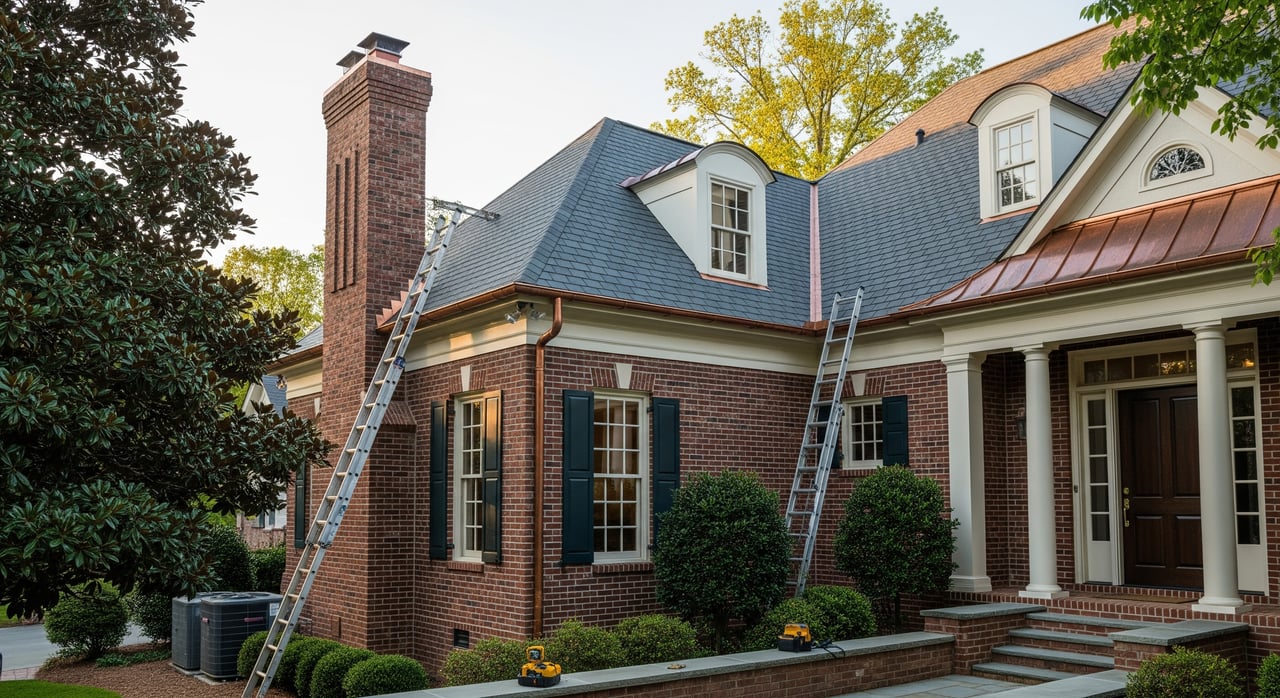
You just went under contract on a Charlotte home and the clock is ticking. The inspection window is short, the report will be detailed, and you want to make smart decisions without losing your leverage. You are not alone. With North Carolina’s due diligence system, timing and clarity matter more than ever. In this guide, you will learn what a Charlotte home inspection covers, how much it costs, what to prioritize, and how to manage repairs before your deadline. Let’s dive in.
Your North Carolina timeline
North Carolina uses a negotiated due diligence period in the standard Offer to Purchase and Contract. In the Charlotte area, that window is often about 5 to 15 calendar days, but it is fully negotiable and depends on market conditions. During this time, you can inspect and you can terminate for any reason if you are not satisfied, subject to the contract terms. For background on the standard form and due diligence framework, review resources from the North Carolina REALTORS.
Deadlines matter. Your requests for repairs, requests for credits, or a decision to terminate should be sent in writing before the due diligence deadline. After that date, you generally lose the contractual right to walk away.
Know your fees. The due diligence fee is paid to the seller and is typically nonrefundable if you terminate. Earnest money is handled per contract terms. Your agent or attorney can explain how your specific contract treats each.
“As‑is” sales are still inspectable. If a home is marketed as as‑is, you can still inspect. It often means the seller will not agree to repairs. The inspection then helps you decide whether to proceed, negotiate price, or walk away within your window.
What inspectors check
Standard inspection scope
A licensed inspector evaluates visible, readily accessible systems and components for function, safety, and major defects. A typical report addresses:
- Structural components and foundation
- Exterior siding, trim, porches, decks, doors, and windows
- Roof materials, flashing, gutters, and visible attic conditions
- Attic insulation and ventilation
- HVAC operation and observed age
- Plumbing supply and waste lines, fixtures, and water heater
- Electrical service, panels, visible wiring, and GFCI/AFCI where observable
- Built‑in appliances
- Fireplaces and visible chimney components
- Interior doors, windows, floors, walls, and visible moisture stains
You can review consumer standards and guidance from InterNACHI to understand what a generalist inspection typically includes.
Common exclusions and add‑ons
Standard inspections are noninvasive. Inspectors do not open walls, move heavy furniture, or excavate. They do not perform municipal code compliance checks and generally do not provide repair bids. Specialized testing may be offered as add‑ons, including radon, mold sampling, sewer scope, termite/WDO, asbestos or lead testing, thermal imaging, and detailed HVAC diagnostics.
Reports and timing
Most inspectors provide a digital report with photos and clear notes within 24 to 72 hours, and many offer a short verbal walkthrough on site. Delivery speed can vary by company and property size.
Costs and scheduling in Charlotte
Typical price and duration
- General home inspection for a typical single‑family home: about $300 to $700
- Time on site: about 1.5 to 4 hours, depending on size and systems
- Report delivery: same day to 72 hours
Specialty tests common in Mecklenburg County
- Termite/WDO inspection: about $50 to $200
- Radon test (48–96 hours): about $100 to $250. For context on radon risk and mitigation, see EPA radon guidance.
- Sewer scope: about $150 to $400, especially useful in older neighborhoods or where large trees may intrude on lines
- Mold sampling: about $150 to $350
- Asbestos or lead testing: about $150 to $400 per sample. Learn about health guidance from the CDC’s lead program.
- Specialists such as HVAC, roofers, chimney pros, or structural engineers: often $200 to $800+ depending on scope
Re‑inspection fees
If the seller agrees to repairs, many inspectors offer a limited re‑inspection to verify completion. Expect about $75 to $250, though some include a small follow‑up at no charge. Confirm scope and pricing in advance.
Scheduling tips
Due diligence windows are often short, so book your inspection as soon as your offer is ratified. Specialty tests like radon add time for results. In busy seasons, inspectors can book 2 to 7 days out. If your window is tight, prioritize scheduling on day one and ask your inspector which add‑ons can run concurrently.
How to read the report and plan
Prioritize what matters most
Use a simple framework:
- Safety issues. Examples include exposed live wiring, gas leaks, severe water intrusion, missing railings on high stairs, and carbon monoxide hazards.
- Major systems. Roof failure, significant foundation movement, nonfunctioning HVAC, or major plumbing faults.
- Maintenance items. Localized leaks, moderate roof repairs, recommended electrical updates, or an aging water heater.
- Cosmetic. Paint, trim, or minor flooring blemishes.
Estimating magnitude
- Small repairs and maintenance: about $100 to $1,000
- Moderate repairs: about $1,000 to $5,000
- Major repairs or replacements: $5,000 to $30,000+, especially for full roof, full HVAC, or foundation remediation. Always seek local contractor bids for accurate numbers.
Negotiation options in North Carolina
Submit your repair or credit request in writing before the due diligence deadline. Your options include asking the seller to repair items before closing, requesting a credit at closing, proceeding as‑is, or terminating within the window. For major items, obtain contractor bids and include them in your request. Lenders typically only get involved if an appraiser flags issues that affect collateral value or habitability.
Charlotte and Mecklenburg specifics
Charlotte’s climate, building ages, and neighborhood patterns create a few local risk points to consider.
- Termites and WDO. Subterranean termite activity is common in North Carolina. A separate WDO inspection is smart, and some lenders or HOAs may require it.
- Radon. Levels vary across Mecklenburg County. Short‑term testing during your inspection window provides peace of mind. Review the EPA’s radon overview for context.
- Floodplain and drainage. Portions of Charlotte lie within FEMA flood zones, and localized stormwater issues can occur. Check a property’s status using the FEMA Flood Map resource. You can also consult the City’s stormwater resources via charlottenc.gov and county records at mecknc.gov.
- Sewer laterals in older areas. Older pipes or root intrusion are possible in historic neighborhoods. A sewer scope can prevent surprises.
- Older materials. Pre‑1978 homes may have lead‑based paint, and older properties can contain asbestos or legacy wiring. See the CDC’s lead guidance for health information and talk to your inspector about appropriate testing.
- Moisture and ventilation. Our humid climate can reveal attic ventilation issues or mold risks. Inspectors often recommend further assessment if stains or elevated moisture are present.
- Grading and foundations. Pay attention to drainage around the foundation, gutter downspouts, and signs of settlement.
- Cooling capacity. Verify A/C age and service history. In summer, proper sizing and operation matter for comfort and efficiency.
How to choose your inspector
- Verify professional membership and standards of practice with groups such as InterNACHI.
- Ask for proof of insurance, including E&O and general liability.
- Review a sample report so you understand layout, photos, and how they flag priorities.
- Clarify what is included, what costs extra, and report timing.
- Confirm re‑inspection policies and fees.
- Schedule early to preserve time for any specialty tests.
Simple inspection‑day checklist
- Be present if you can, especially for the final walkthrough.
- Ask the inspector to summarize safety and major system concerns first.
- Confirm which items are specialist referrals and which are typical maintenance.
- Start gathering bids for any big‑ticket items right away.
- Review the report the day it arrives and flag your top priorities.
- Draft your repair or credit request well before the due diligence deadline.
Local records and risk checks
- Look up flood risk on the FEMA Flood Maps.
- Review City stormwater information at charlottenc.gov.
- Check county permits and property records at mecknc.gov.
- Read national guidance on radon via the EPA.
Get guided, start strong
Your inspection is not about making a home perfect. It is about getting clear on safety, the true cost of ownership, and how to negotiate within North Carolina’s timeline. With the right plan, you can make confident choices and keep your transaction on track.
If you want a seasoned local team to help you schedule fast, interpret findings, and negotiate repairs, reach out. Schedule a free consultation with Sean Rush Jr. and the TrustRush team for dependable guidance in Charlotte and the Lake Norman corridor.
FAQs
What is a home inspection in Charlotte and what does it cover?
- A licensed inspector evaluates visible, accessible systems for function, safety, and major defects, then delivers a photo‑rich report within about 24 to 72 hours.
How long is North Carolina’s due diligence period for inspections?
- It is negotiable in the contract, often about 5 to 15 calendar days in the Charlotte area, and all repair or termination decisions should be made before the deadline.
Should I order a radon test in Mecklenburg County?
- Yes, radon can vary by area and level; a short‑term test during due diligence is recommended and the EPA provides helpful guidance.
What if the home is listed as as‑is in Charlotte?
- You can still inspect; as‑is often means the seller will not make repairs, so use findings to decide on price negotiations or whether to proceed within your due diligence window.
Do lenders require repairs after a buyer’s inspection?
- Lenders typically only address issues if an appraiser flags problems that affect collateral value or habitability, which is separate from your buyer‑driven repair requests.
What is a re‑inspection and how much does it cost?
- After seller repairs, your inspector can verify completion for about $75 to $250, focused only on agreed repair items unless you arrange a broader scope.
When should I schedule a sewer scope in Charlotte?
- Consider it for older homes, properties with mature trees, or if the main line’s age and material are unknown, since older laterals can have root intrusion or breaks.