Thinking about building or buying new construction in Mint Hill but not sure where to start? You want real numbers, realistic timelines, and a clear view of the trade-offs before you sign a contract. In this guide, you will see how new builds are priced, how long they typically take, what to expect with lots and HOAs, and how to negotiate smartly. Let’s dive in.
Mint Hill new-construction snapshot
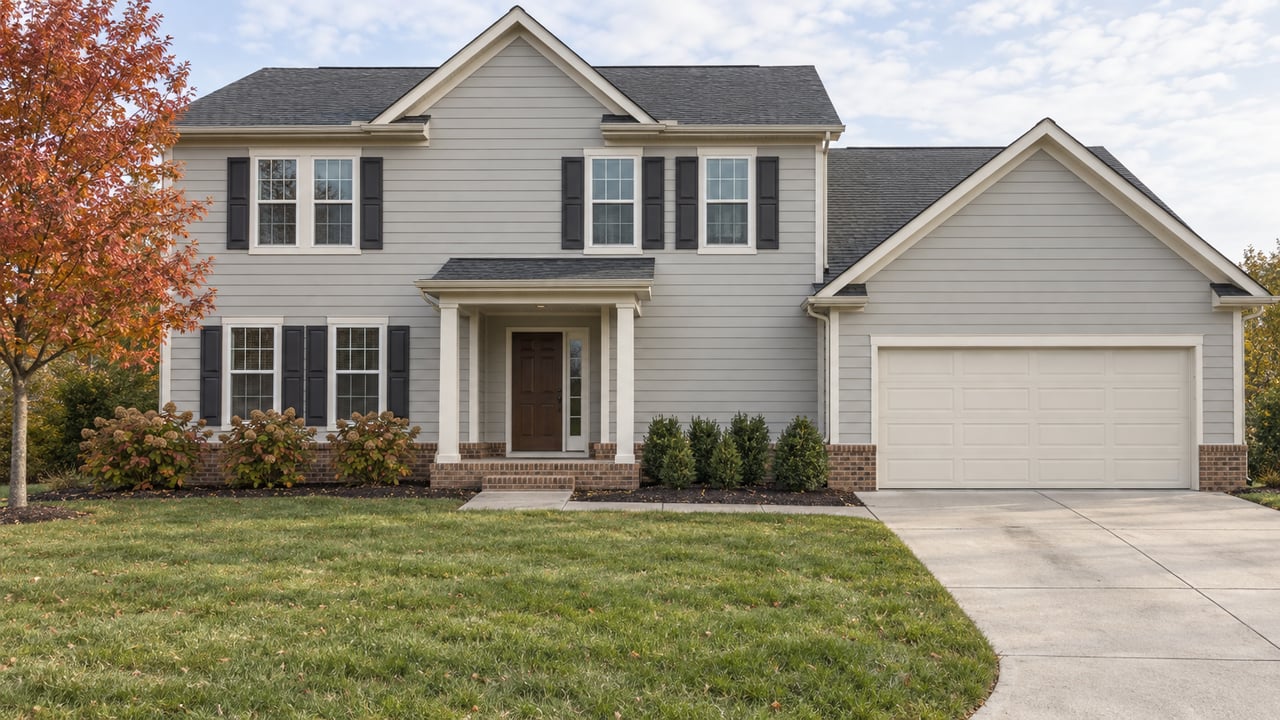
Mint Hill sits in an active east Charlotte corridor with options from entry-level spec homes to larger lots and semi-custom builds. Public trackers often show different medians, but Redfin recently reported a median sale price around $632,500 for January 2026. Price per square foot locally often lands in the mid-$200s, though it varies by product and lot.
One helpful shift for buyers is that the nationwide premium for new homes over resales narrowed in 2024 and 2025. As covered by HousingWire, the new-home premium fell to a historic low in 2025, and builders responded with more incentives. In practical terms, you will often see rate buydowns, closing-cost help, or design-center credits in Charlotte-area suburbs like Mint Hill.
You can expect several price tiers: quick-move inventory often in the high $300s to $500s, production and semi-custom communities in the $400s to $900s, and custom or estate product above that. Always verify the current list and incentive sheet in the community you are considering.
Where you will find it
- Larger-lot move-up product: Empire Homes’ Oak Creek offers one and two-story plans roughly 2,400 to 5,000-plus square feet, with homesites averaging about a half acre. Initial inventory has been marketed in the $700K-plus band. You can review plans and community details on Empire’s Oak Creek page.
- Entry and mid-market close to downtown Mint Hill: David Weekley’s Whitley Preserve features smaller production plans around 1,700 to 2,300 square feet with recent move-in pricing in the mid-$400Ks. See current specs on Whitley Preserve at NewHomeSource.
- Starter and timeline-focused offerings: Builders like LGI focus on faster delivery and spec inventory. LGI’s Ascot Woods markets 3 to 4 bedroom plans with pricing starting in the high $300Ks. View community info at LGI’s Ascot Woods.
Mint Hill also sees 55-plus and estate-lot activity through niche builders and smaller custom projects. Always confirm the exact lot size, HOA details, and included features with the builder and in MLS remarks.
Lots, HOAs, and what to expect
Lot sizes vary widely. Some semi-custom communities in Mint Hill advertise approximately half-acre homesites, while infill or rear-load neighborhoods may offer 50 to 60-foot lots or smaller suburban parcels. Your choice will drive both price and how much outdoor space you maintain.
HOAs are common in newer communities. For example, Oak Creek lists an annual HOA in the neighborhood of $850 plus a one-time capital contribution, with coverage for items like pond maintenance, common-area landscaping, and community management. In North Carolina, planned communities operate under the North Carolina Planned Community Act, Chapter 47F, so you will want to review the recorded covenants, bylaws, budgets, and reserves before you sign.
Costs beyond the base price
Builders market a “starting from” price, but your final contract usually reflects the lot, structural options, and design selections you choose. Key drivers include:
- Lot premium based on size, location, or views.
- Structural options like sunrooms, extended patios, or finished basements where available.
- Design-center upgrades for appliances, flooring, counters, lighting, and tile.
- Landscaping, hardscape, and driveway choices.
- HOA capital contributions and dues, plus standard closing costs.
Plan for ongoing carrying costs too. New homes often include more efficient systems that can reduce utility use, but you will still budget for HOA dues, property taxes, and insurance. Ask the sales counselor for an itemized list of included features and allowances so you know what your price actually buys.
Timelines you can count on
Average build times for single-family homes often fall in the 6 to 12 month range. Industry research notes that national averages cluster around 9 to 10 months depending on product and process. A helpful overview of factors appears in Ivory Innovations’ build-time summary. In Mint Hill, you will see both to-be-built timelines and spec or quick-move homes that can deliver in 0 to 6 months. Custom builds often take 12 months or more.
Schedules flex with permit reviews, weather, labor availability, and supply chains. If you are moving on a fixed date, ask the builder for current cycle-time data and how they handle delays.
Trade-offs to weigh
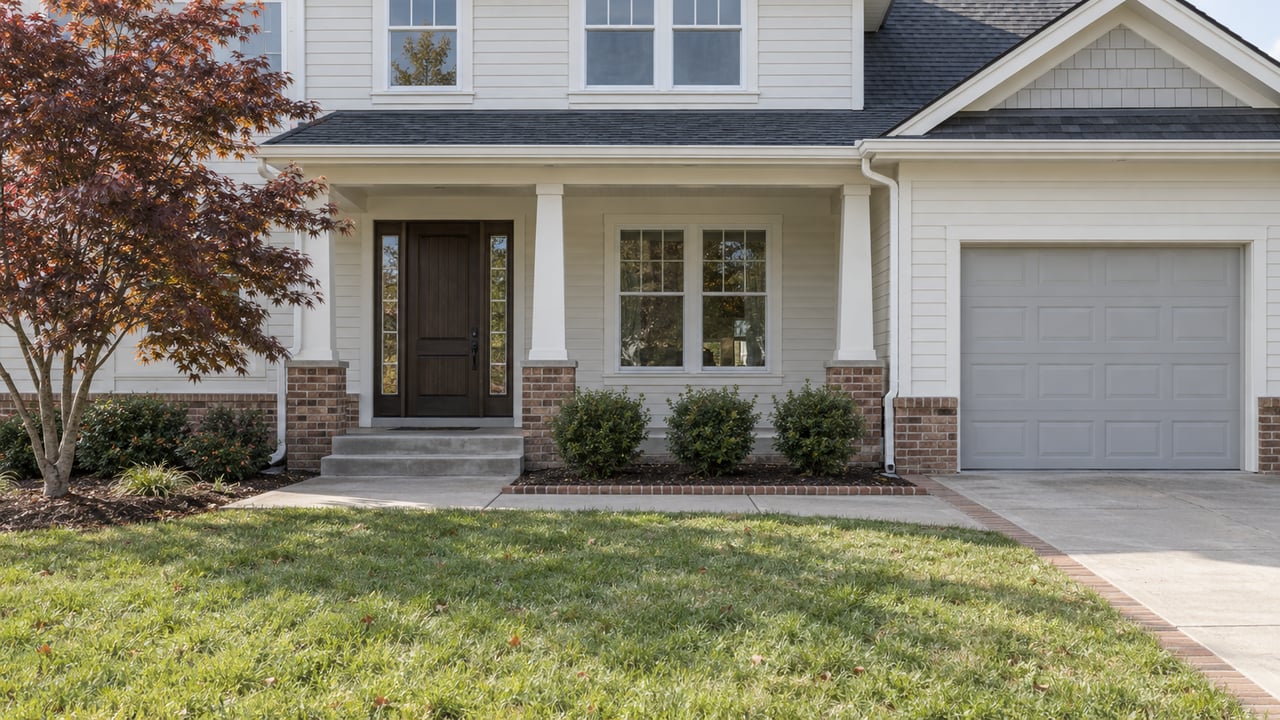
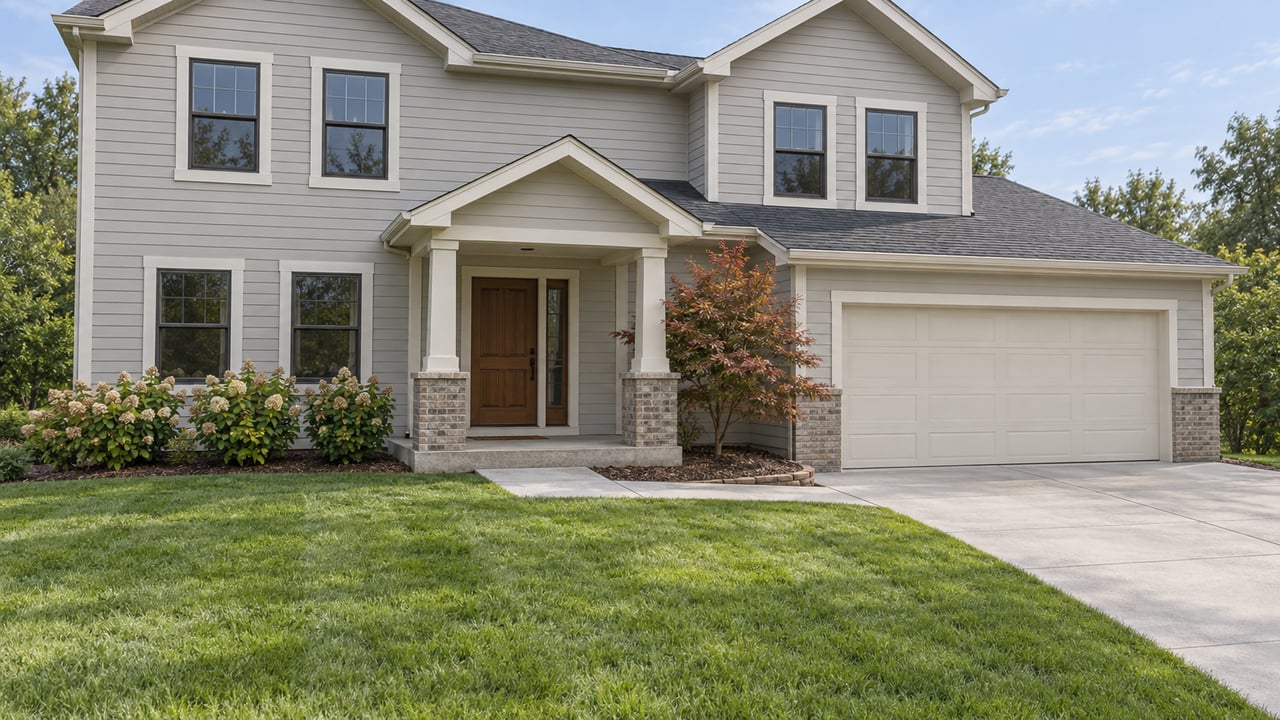
New construction offers real advantages. You can select finishes, get modern floor plans and systems, and enjoy energy efficiency and builder warranties. Many new communities also plan amenities like pools, parks, and walking trails.
There are trade-offs. To-be-built homes require patience. Base prices rise with options, even as the overall new-home premium has narrowed recently. Neighborhood character and landscaping take time to mature, and most buyers should expect a punch list at move-in. Appraisals can also be tricky in early phases when comparable sales are thin.
Inspections and warranties that protect you
The key inspection checkpoints
Independent inspections are wise even on a brand-new home. At minimum, schedule a pre-drywall inspection and a final inspection before closing. These allow a certified inspector to check framing, rough-in systems, flashing, drainage, and finish quality while issues are visible. For a detailed look at timing and scope, see pre-drywall and final inspection guidance. Plan an 11-month inspection before your one-year workmanship warranty expires to capture items for repair, as outlined in this 11-month inspection explainer.
How much and who pays
Expect to pay several hundred dollars for each inspection phase, and ask about bundled pricing if you schedule both pre-drywall and final. You pay the inspector directly, and the report becomes your punch-list roadmap with the builder.
Understand the 1-2-10 warranty
Many builders use a 1-2-10 framework. In practice, that means one year for workmanship and finishes, two years for distribution systems like HVAC, plumbing, and electrical, and ten years for qualifying structural defects. Get the full warranty agreement and claim process in writing. For a clear overview, review the 1-2-10 structural warranty explanation.
Negotiating your new build in Mint Hill
You often have more leverage than you think, especially on spec homes or near quarter-end. Common wins include:
- Lot-premium reductions or credits when a homesite has been available for a while.
- Design-center credits or included upgrades for appliances, counters, flooring, or window coverings.
- Closing-cost help or a lender rate buydown that reduces your monthly payment.
- Prepaid HOA dues or credits for the initial capital contribution.
- Useful inclusions like blinds, a fridge, or enhanced landscaping.
- An extended workmanship warranty or a builder-paid 11-month inspection.
Smart ground rules help protect you. Use a buyer’s agent experienced in new construction to review the builder contract and help with appraisal and financing strategy. Pay attention to preferred-lender incentives and compare outside loan quotes. Ask for written, itemized allowances and an inclusion list so you do not get surprised later. On appraisal risk, preserve an appraisal contingency or negotiate a clear remedy if the value comes in short.
Finally, watch for red flags. Broad material price-escalation clauses without caps, unclear warranty claim instructions, or builder-friendly dispute clauses are all signals to slow down and ask more questions.
Local lifestyle note
Mint Hill’s appeal is not just the homes. A 91-acre regional destination called Ezell Park is in development, with features like a seasonal splash pad that draw families and increase neighborhood demand. You can read a local overview of Ezell Park’s planned amenities here.
A ready-to-use plan
Here is a simple plan you can put in motion today:
- Get fully pre-approved and discuss appraisal contingency language with your lender and agent.
- Tour multiple communities and compare lot sizes, HOA rules, and included features side by side.
- Hire a buyer’s agent with new-construction experience to structure your offer and negotiate incentives.
- Schedule independent inspections at pre-drywall and before closing, then plan an 11-month follow-up.
- Put every incentive, allowance, and inclusion in writing on your contract addenda.
If you want a clear, step-by-step process tailored to your timeline and budget, let’s talk. As a local, service-first team that represents buyers across Charlotte and Mint Hill, we can help you compare communities, line up inspections, and negotiate builder incentives that protect your bottom line. Connect with Sean Rush Jr. to get started.
FAQs
What does new construction cost in Mint Hill right now?
- You will find quick-move options starting in the high $300s, mid-market homes commonly in the $400s to $700s, and larger-lot or semi-custom product in the $700Ks and up, with the final price driven by lot, options, and upgrades.
How long does it take to build a home in Mint Hill?
- Many production homes complete in about 6 to 12 months, quick-move specs can deliver in 0 to 6 months, and custom builds often run 12 months or more depending on permits, weather, labor, and materials.
What HOA fees should I expect on a new build in Mint Hill?
- Fees vary by community, but new neighborhoods often have annual dues plus a one-time capital contribution; one example community lists about $850 per year, so review the HOA disclosure packet for exact amounts and coverage.
Are inspections necessary on a brand-new home?
- Yes, schedule independent pre-drywall and final inspections, then an 11-month inspection before your workmanship warranty expires so you can document items for builder repair.
What can I negotiate with a Mint Hill builder?
- Common wins include lot-premium credits, design-center allowances, closing-cost help or rate buydowns, prepaid HOA fees, included appliances or blinds, and in some cases an extended or builder-paid 11-month warranty inspection.