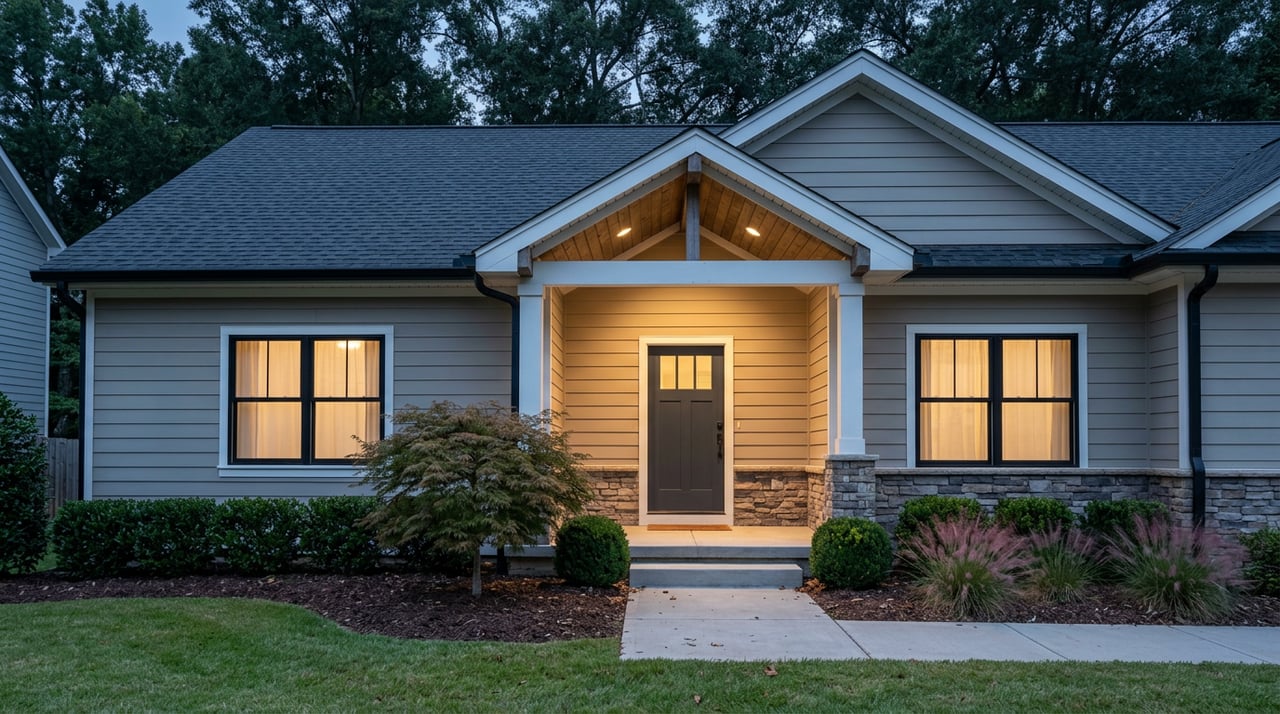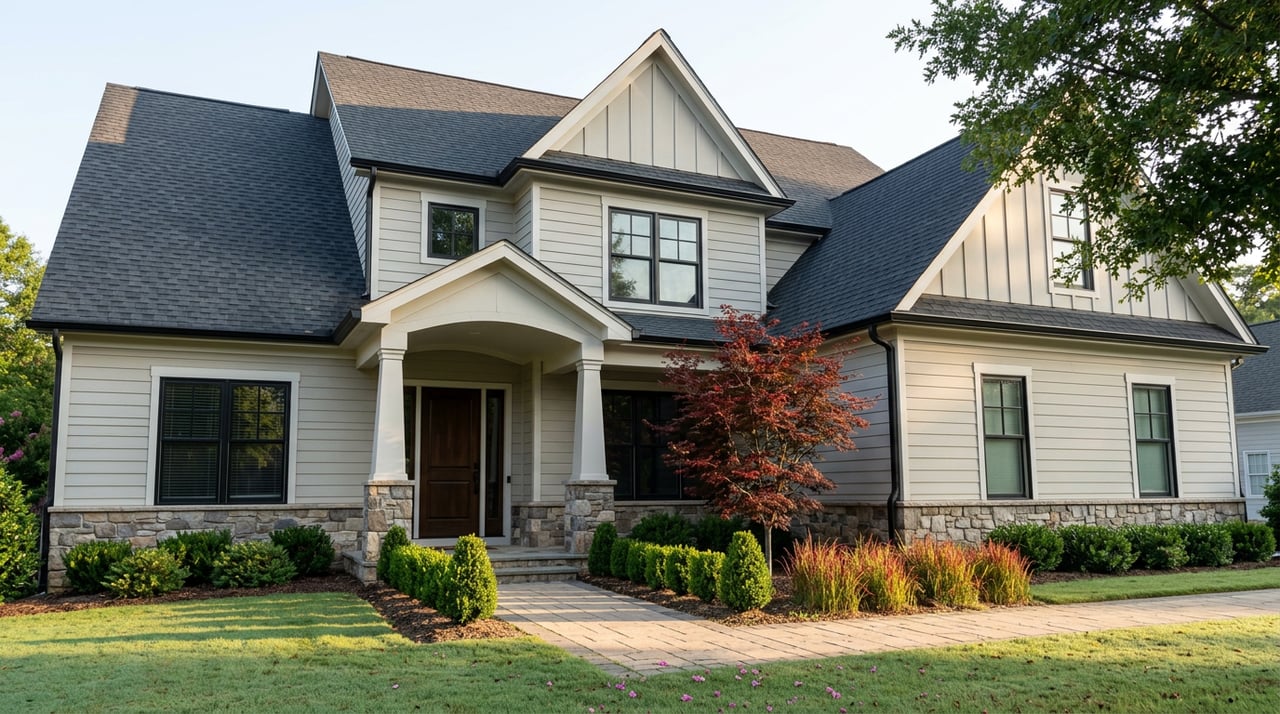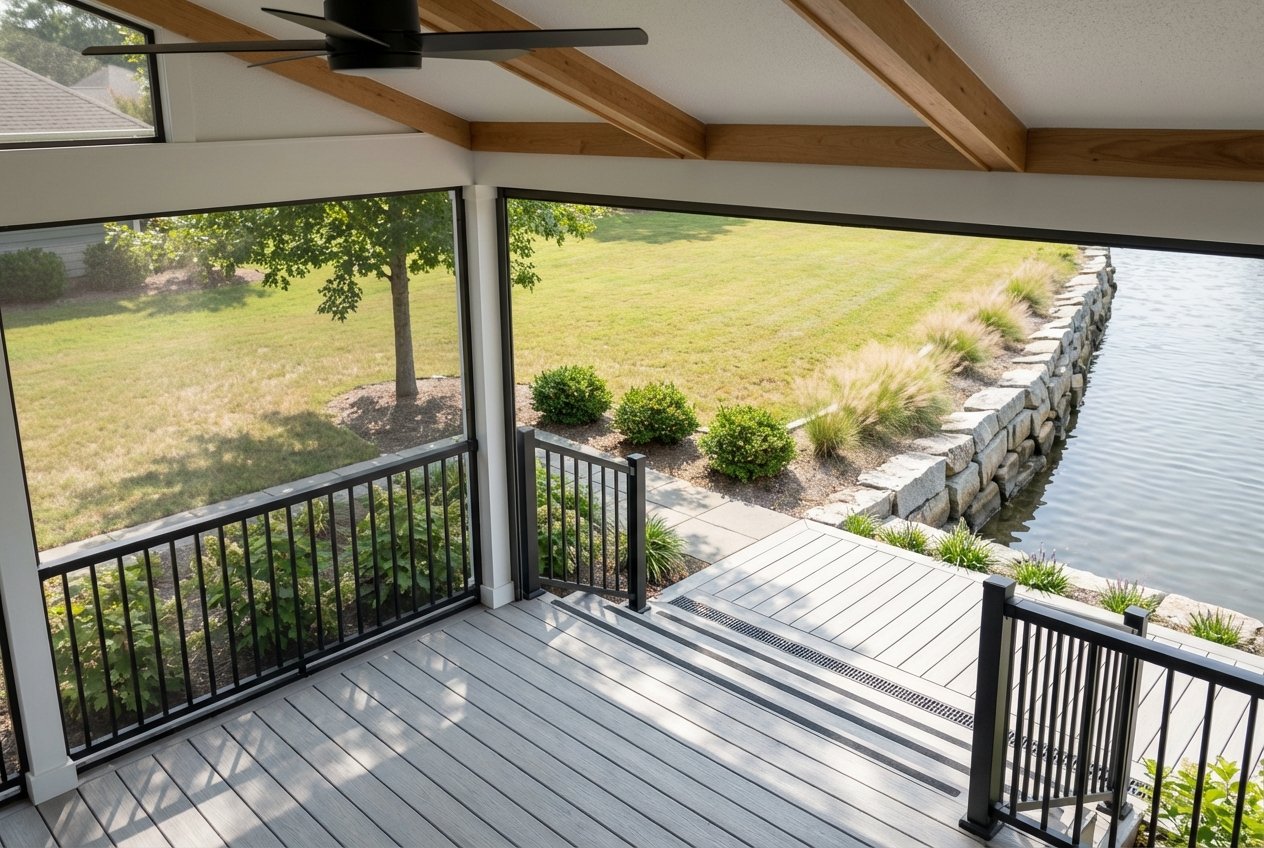
Imagine stepping out each morning to big-water views and the sound of boats on Lake Wylie. If you are eyeing a Belmont address on the lake or the Catawba River, the lifestyle is hard to beat, but buying waterfront is different from buying inland. In this guide, you will learn the key rules, costs, and due‑diligence steps that protect your investment. You will also see how to evaluate docks, flood maps, HOAs, utilities, and inspections specific to Belmont’s shoreline. Let’s dive in.
Belmont waterfront market at a glance
Waterfront in Belmont is not one thing. You will see older cottages on small river lots, renovated homes with dock rights, and luxury main‑channel estates in gated communities. Recent marketplace snapshots show a median listing price for waterfront inventory around $532,000, with wide variation by lot type and dock status.
What drives value most:
- Dock status. A “dockable” lot with an active or transferable permit often commands a large premium.
- Location on the water. Main‑channel exposure and usable depth can outshine raw shoreline footage.
- Lot buildability. Width, slope, and elevation affect home design and costs.
- Community amenities. Gated neighborhoods with marinas, pools, and trails can price higher.
- Existing shoreline structures. The condition and age of a dock or bulkhead matter to both lenders and insurers.
Premium neighborhoods like Reflection Pointe and McLean South Shore showcase the lifestyle package, with amenities and protected design standards. Entry opportunities still appear on smaller riverfront lots or older cottages, while new custom builds and main‑channel estates can reach the top of the market.
Dock rights, shoreline control, and permits
Owning to the water’s edge does not mean you can build anything you want in the lake. Lake Wylie and the Catawba‑Wateree project are managed by Duke Energy Lake Services, which oversees private docks, piers, shoreline stabilization, and dredging inside the project boundary. Most shoreline work requires written authorization from Duke Energy and may involve review timelines and fees.
- Start with Duke’s guidance on lake‑use permits, including what is allowed, what requires authorization, and how permit transfers work. Review the official FAQs from Duke Energy Lake Services.
- Some projects, especially multi‑slip or habitat‑impacting work, may trigger Habitat Enhancement Program fees. Learn how CWHEP applies on Duke’s program page.
Riparian buffers you must respect
North Carolina requires a vegetated riparian buffer along the Catawba River and its main‑stem lakes, including Lake Wylie. In general, there is a 50‑foot buffer, with the first 30 feet kept undisturbed and a second 20‑foot zone where limited, permitted activity may occur. The state outlines this protection in its riparian buffer guidance. Local watershed rules in Belmont and Gaston County can be stricter, so always verify which jurisdiction applies to a specific parcel.
What to verify before you offer
- Ask the seller for any Duke Energy dock, pier, or shoreline permits and confirm transferability in writing.
- Get copies of HOA covenants, marina or boat‑slip agreements, and any recorded shoreline easements.
- Confirm the project boundary, setbacks, and where structures may be allowed to sit on a current survey.
Flood risk, maps, and insurance
Some Belmont waterfront parcels lie in FEMA Special Flood Hazard Areas or floodways. This affects insurance, lender requirements, and how high you must build or elevate mechanicals. Start with local resources to see how a property is mapped.
- Gaston County maintains floodplain and watershed resources, including contacts for local floodplain administrators and mapping help. Use the county’s Watershed and Floodplain Management page.
- The North Carolina flood portal provides access to flood maps and tools for Letters of Map Change. Check the NC Flood Mapping Program.
Gaston County participates in the National Flood Insurance Program and holds a Community Rating System classification of Class 8, which corresponds to about a 10 percent NFIP premium reduction community‑wide. That community discount can help, but it does not remove lender rules.
Lender rules and early quotes
If a home is in a mapped SFHA and your mortgage is from a federally regulated lender, flood insurance is typically required. The federal interagency guidance outlines how mandatory purchase rules apply, so plan for a formal flood determination early. Review the flood insurance Q&A from federal regulators.
Elevation Certificates prepared by a licensed surveyor or engineer are useful to precisely rate policies and to support map change requests if the structure sits above Base Flood Elevation. Ask the seller for any existing certificate and price insurance options before you finalize terms.
Lots, HOAs, and utilities
Waterfront communities around Belmont often include HOAs with architectural review, amenity maintenance, and rules for shoreline features. Typical lake‑community dues range from a few hundred dollars per quarter, with examples near $1,200 to $1,550 per year in planned neighborhoods. Always confirm whether fees support a marina, shoreline maintenance, or private roads, and check for any pending special assessments.
Utilities can vary by location and age of the property:
- Newer planned communities are more likely to have public water and sewer.
- Older river cottages and rural parcels may rely on wells and septic systems.
- If not on sewer, require septic records, capacity data, and any repair permits. Gaston County manages onsite wastewater programs and fee schedules, which you can review on the county fee page.
Lake Wylie also straddles the North Carolina and South Carolina line. Some parcels can involve cross‑state or cross‑county questions about services or taxes. Confirm taxing jurisdiction, emergency services, and which planning office has authority before you remove contingencies.
Inspections that protect your purchase
A standard home inspection is essential, but waterfront properties call for a deeper bench of specialists. Budget the time and fees for these extra reviews.
- Dock and marine structures. Have a licensed marine contractor inspect pilings, decking, bracing, lifts, and electrical. Shore power and dock wiring must meet code for safety and to satisfy lenders and insurers. For context on common shoreline repair needs, see a contractor’s note on shoreline stabilization and dock work.
- Bulkhead and erosion control. Look for undermining, displaced riprap, or failing seawalls. Major fixes are regulated and can be costly, so request permits and maintenance history.
- Septic and wells. If the home is not on public sewer, order a septic inspection and confirm capacity for the bedroom count. Coordinate with Gaston County’s onsite wastewater team using the fee and services page.
- Moisture, mold, and pests. Proximity to water raises the risk of damp crawlspaces, wood decay, and termite activity. Your general inspector may recommend mold or pest specialists.
- Foundations and slopes. Sloped waterfront lots can warrant a geotechnical review, especially where erosion is evident.
- Survey, title, and permits. Order a current boundary survey that shows the project boundary or ordinary high‑water line and any recorded shoreline or access easements. Duke Energy’s shoreline management brochure gives useful context on boundary references and permits, which you can review in the public brochure.
For a helpful overview of risk items inspectors flag on waterfront homes, see this industry perspective on specialty home inspections from InspectorPro Insurance.
Buyer checklist for Belmont waterfront
Use this short list to move from “this view is perfect” to “this investment is sound.”
Run a flood map check with Gaston County and ask the seller for any elevation certificate or flood‑claim history. Start at the county’s Watershed and Floodplain page.
Request copies of any Duke Energy lake‑use permits for docks, piers, or bulkheads and confirm transferability in writing. See the Duke Lake Services FAQs.
Order the full HOA packet, including covenants, marina or boat‑slip rules, recent meeting minutes, and any special‑assessment notices.
Schedule a general home inspection plus specialty inspections for the dock, shoreline, septic, and, if needed, geotechnical review. Use contractors who know Duke Energy’s permitting process.
Verify water and sewer availability or pull septic records through Gaston County’s onsite wastewater program.
Get homeowner’s and flood insurance quotes early. If a lender is involved and the property is in an SFHA, review the federal flood insurance guidance so you know what is required.
Order a current survey and a thorough title search to confirm easements, marina agreements, and any shoreline rights. Use the survey to map the project boundary and potential dock locations in line with Duke’s rules.
How TrustRush helps you win on the water
Waterfront success is about details. Permit status, buffer rules, flood maps, HOA covenants, and specialty inspections can make or break a deal. You deserve a disciplined, responsive partner who understands how Belmont’s shoreline really works.
At TrustRush, you get buyer representation that combines local knowledge with a structured process. We coordinate the right inspections, surface HOA and permit records early, and negotiate based on facts that protect your time and money. Whether you are moving up to a dockable home in a planned community or targeting a custom build on the main channel, we will help you lock in the view and the value.
Ready to start the right way on Lake Wylie or the Catawba River? Connect with Sean Rush Jr. to plan your search and scheduling.
FAQs
Can I build my own dock on Lake Wylie in Belmont?
- Not automatically. Duke Energy manages shoreline uses inside the Catawba‑Wateree project boundary, and most docks, piers, and shoreline work require written authorization. Review the Duke Lake Services FAQs and verify permit transferability before you offer.
Do Belmont waterfront homes require flood insurance?
- If your property is in a FEMA Special Flood Hazard Area and you have a mortgage from a federally regulated lender, flood insurance is typically required. See the federal flood insurance Q&A and get quotes early.
Who owns the lakebed in front of my lot?
- Ownership and use rights vary. Duke Energy controls uses within the Catawba‑Wateree project boundary and issues lake‑use permits. Confirm riparian or littoral rights with a title and survey review, and see Duke’s shoreline overview in this public brochure.
What is the riparian buffer rule on Lake Wylie?
- North Carolina generally requires a 50‑foot vegetated buffer along the Catawba main stem, with the first 30 feet undisturbed and limited, permitted use in the next 20 feet. Read the state buffer guidance and check local watershed rules.
Who pays for seawall, riprap, or dredging in a community?
- It depends on recorded covenants and HOA policies. Some owners share costs through agreements or special assessments. Before closing, request HOA minutes and any shoreline maintenance records. For context on typical shoreline projects, see this dock and shoreline repair overview.