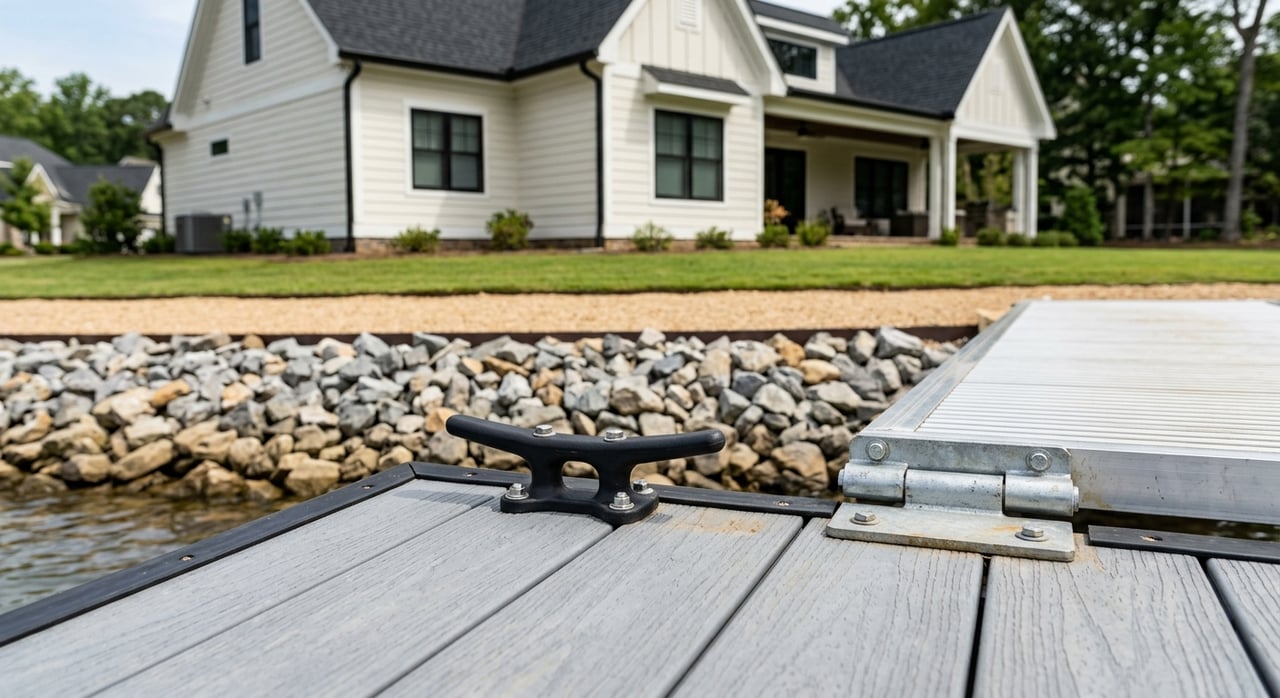
Thinking about buying a Lake Norman waterfront home because of the view, the dock, and the lifestyle? You are not alone, but waterfront purchases come with a layer of due diligence that many buyers do not expect. On Lake Norman, water levels, dock permits, shoreline rules, and flood risk can all affect how you use the property and what it may cost you after closing. This guide walks you through the inspections and dock questions that matter most, so you can buy with more clarity and less stress. Let’s dive in.
Why Lake Norman Waterfront Needs Extra Due Diligence
A waterfront home on Lake Norman is more than a house with water behind it. You are also buying into a shoreline environment shaped by lake operations, boating rules, permits, and insurance considerations.
According to the Lake Norman Marine Commission, lake levels can vary by as much as 8 feet during normal operations, and winter drawdown can expose rocks, stumps, humps, and sandbars. That means the water depth and shoreline access you see during a showing may not reflect what you will experience year-round.
Duke Energy also flags waterfront-specific issues for buyers and sellers, including permit transfer, previous shoreline permits, flood or flowage easements, and property-line questions through its Lake Services guidance. In short, a dock being present does not automatically mean it is properly permitted, transferable, or in the condition you expect.
Start With the Dock
For many buyers, the dock is a major part of the property's appeal. It can also be one of the biggest sources of risk if you do not verify its condition and records before closing.
Treat the dock like a separate asset
Your general home inspection is important, but it should not be the only inspection you rely on. A dock, pier, or boat lift deserves its own review because structural condition, code issues, and permit history may not be fully covered in a standard house inspection.
The North Carolina Office of State Fire Marshal explains in its dock and pier permit guidance that some residential docks may fall under limited exceptions, but permits can be required depending on size, scope, and the type of work performed. The same guidance notes that electrical, plumbing, or mechanical work requires trade permits, and more extensive repairs may require sealed plans.
What to check at the dock
When you are evaluating a Lake Norman waterfront property, ask for documentation and inspect the structure itself.
Look closely at:
- Decking, framing, and pilings for wear or visible deterioration
- Boat lift components and any signs of deferred maintenance
- Electrical connections or lift power serving the dock
- Crosswalks, slips, or finger piers that may have been added later
- Any visible leaning, shifting, or instability
Just as important, ask for:
- Duke permit records
- Any permit tags tied to the dock or shoreline work
- Surveys and plan drawings
- Contractor invoices or repair records
- Records showing whether permits transfer with the sale
Duke Energy's shoreline permit FAQ is a helpful roadmap because it specifically calls out permit transfer, prior permits, and shoreline structure questions as part of buyer due diligence.
Check Water Depth and Seasonal Access
A beautiful dock does not help much if water depth becomes a problem during parts of the year. This is one of the most overlooked parts of buying a waterfront home on Lake Norman.
Because the lake level can change significantly, you should evaluate how the property functions beyond the day you tour it. A dock that looks ideal during one season may have different usability during winter drawdown or lower water periods.
The Lake Norman Marine Commission also notes that lower lake levels can expose underwater hazards. If boating access is important to you, it is smart to ask how the dock performs across seasons and whether the seller has any history of limited access at lower lake levels.
Understand Boating Rules Near the Property
Waterfront value is not only about the structure itself. It is also about how the surrounding water is used.
Under North Carolina law, it is unlawful to operate a vessel at greater than no-wake speed within 50 yards of a dock, pier, marina, launch area, vessel storage structure, or vessel service area on Lake Norman. That rule matters because boating patterns, nearby activity, and dock placement can affect safety and day-to-day enjoyment.
If you are comparing multiple properties, it helps to consider not just the view but also the surrounding traffic patterns on the water. A dock in a busier area may feel very different from one in a quieter cove, even if both homes look similar online.
Review the Shoreline and Seawall
The shoreline itself can become a costly issue if erosion, failed stabilization, or seawall problems go unnoticed. This is another area where buyers should go beyond the standard house-focused review.
Duke Energy states that shoreline structures should remain in good repair and not pose a hazard to public safety or navigation, as noted in its shoreline structure program update. If you notice leaning walls, washed-out areas, undermining, or failing materials, those are signs to investigate further before moving forward.
If repairs or upgrades are planned
If you are buying a property because you plan to improve the shoreline, add stabilization, or replace a seawall, make sure you understand the permit path. Duke's shoreline activities permit page says these projects may require a lake-use permit, registered survey, plan or profile drawing, local permits, and in some cases a state shoreline-stabilization permit.
On the land side, Mecklenburg County Storm Water Services handles floodplain and erosion-control permits through Accela. If the project includes grading, fill, or other site work, county review may also come into play.
Verify Permits Before You Remove Contingencies
One of the most important rules of a Lake Norman waterfront purchase is simple: trust documents, not assumptions.
Before you remove contingencies, ask the seller for every available record tied to the dock, pier, shoreline, seawall, boat lift, and any related improvements. This should include permits, surveys, contractor receipts, and any prior approvals through Duke Energy.
Duke's Lake Services resources and permit FAQs make clear that prior permits, permit transfer questions, and shoreline structure status should all be part of the conversation. If future work will require contractors to use Duke-owned access areas, Duke also notes that an Access Area Use permit may be needed.
If you are planning updates like dock lighting, lift power, or mechanical improvements, Mecklenburg County permitting information is also worth reviewing because local permits may be required for building and trade work.
Do Not Skip Flood and Insurance Review
Many waterfront buyers focus on the house and dock first, then circle back to insurance later. That timeline can create avoidable stress.
The North Carolina Department of Insurance states that homeowners insurance does not cover flood damage. It also notes that flood insurance may be worth considering if a home is near water or in a flood plain, that lenders may require it, and that NFIP policies generally have a 30-day waiting period.
FEMA's Flood Map Service Center is the official public source for flood-hazard information, and FEMA emphasizes that there is no true no-risk zone. For Lake Norman buyers, that means flood-zone review should happen early in the process, even if the lot does not look obviously exposed.
Smart flood questions to ask early
Before your contingency deadlines pass, try to confirm:
- Whether flood insurance will be required by your lender
- Current flood-zone information for the property
- Whether an elevation certificate is available
- Whether the seller can provide any flood-history or mitigation records
- What the flood insurance quote looks like before you move too far forward
Waterfront Buying Checklist
If you want a simple way to stay organized, use this checklist as you evaluate a Lake Norman waterfront home.
Inspection and dock checklist
- Order a general home inspection
- Treat the dock, pier, and boat lift as separate inspection items
- Review structural condition and visible maintenance issues
- Confirm any electrical, plumbing, or mechanical work was properly permitted
- Ask how water depth and access change by season
Permit and records checklist
- Request Duke permit records and any transfer information
- Ask for surveys, plan drawings, and contractor documentation
- Review any seawall, bulkhead, or shoreline repair history
- Verify whether future improvements may require Duke or county approvals
- Confirm whether any contractor access permits would be needed for planned work
Flood and insurance checklist
- Check the FEMA flood map early
- Get a flood insurance quote before contingencies expire
- Ask for elevation certificates or mitigation records if available
- Review lender requirements related to flood coverage
How the Right Agent Helps You Buy Smarter
A Lake Norman waterfront purchase has moving parts that do not show up in a standard home search. You are not just evaluating square footage and finishes. You are also reviewing records, shoreline limitations, permit questions, and water-related risks.
An experienced waterfront agent helps you create a due diligence plan, request the right records, and compare the seller's claims against available documentation. That includes coordinating around Duke records, county permit information, and FEMA flood data so your decision is based on facts.
At TrustRush, that kind of disciplined process matters. Whether you are relocating, moving up, or buying your first waterfront property, you deserve clear guidance and responsive support from contract to closing.
If you are considering a Lake Norman waterfront home and want help navigating inspections, permits, docks, and due diligence, Sean Rush Jr. is ready to help you build a smart buying strategy.
FAQs
What should you inspect before buying a Lake Norman waterfront home?
- You should inspect the home itself, plus the dock, pier, boat lift, shoreline condition, seawall or bulkhead, permit records, seasonal water access, and flood-risk details.
Do docks on Lake Norman always have to be permitted?
- Not always, but the North Carolina Office of State Fire Marshal guidance explains that permits may be required depending on the dock size, structure, repairs, and any electrical, plumbing, or mechanical work.
Why does lake level matter when buying Lake Norman waterfront property?
- Lake levels on Lake Norman can vary by as much as 8 feet in normal operation, which can affect dock depth, boat access, shoreline usability, and visibility of underwater hazards.
How do you check flood risk for a Lake Norman waterfront home?
- You can review the property's status through FEMA's official Flood Map Service Center and discuss flood insurance timing and requirements with your lender and insurance provider early in the transaction.
What records should you ask for when buying a waterfront home on Lake Norman?
- You should ask for Duke permit records, permit tags, surveys, plan drawings, contractor invoices, repair history, shoreline documentation, and any available flood-history or elevation records.
When should you get a flood insurance quote for a Lake Norman home?
- You should get a flood insurance quote before contingencies expire because the North Carolina Department of Insurance notes that NFIP coverage generally has a 30-day waiting period.