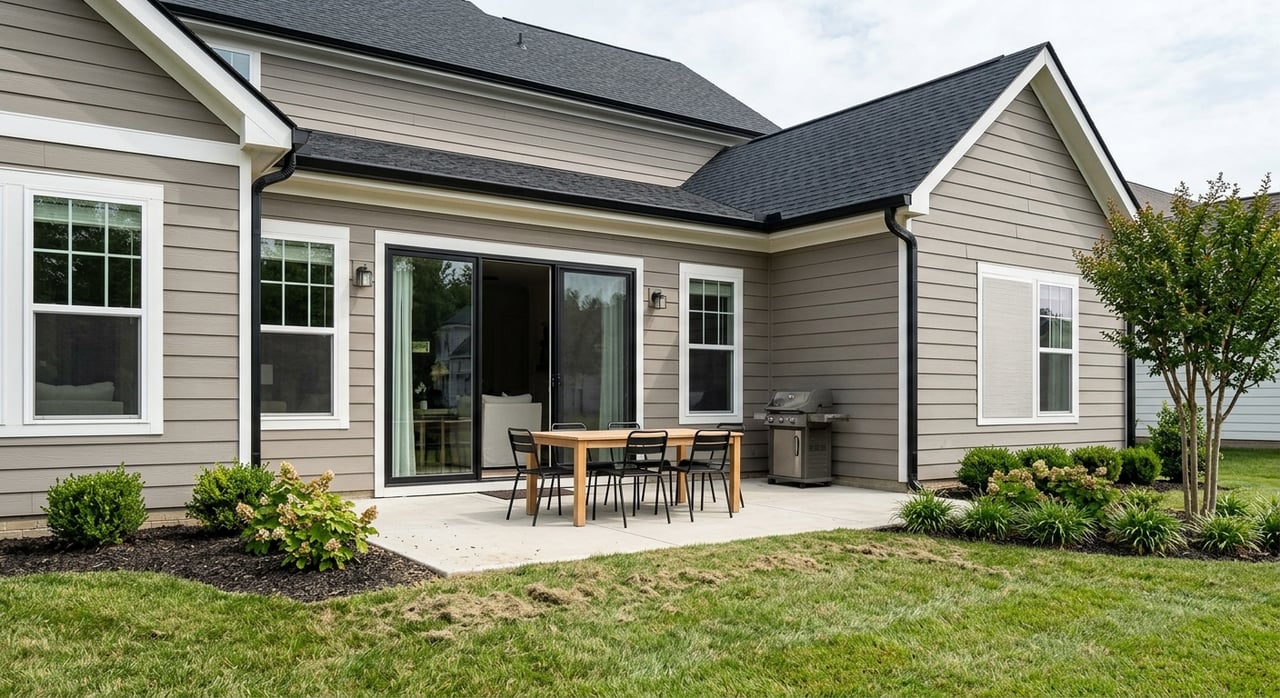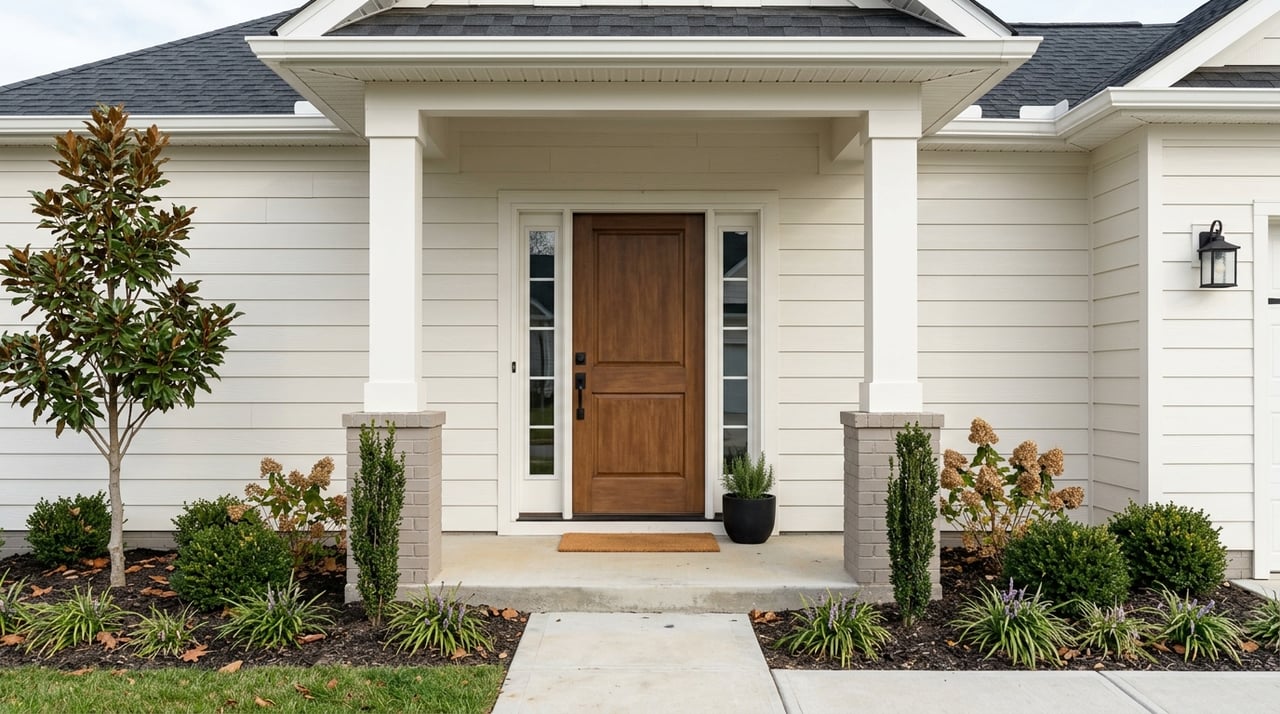
Selling your home can feel like one big question: When do I start, and what needs to happen first? If you are planning to sell in Matthews, the good news is that a well-prepared home can often sell in weeks, not months. The key is giving yourself enough runway to handle repairs, disclosures, pricing, marketing, and the contract-to-close steps without rushing. Let’s break down a practical timeline so you can move forward with more confidence.
Why timing matters in Matthews
Matthews is in southeastern Mecklenburg County and current local data points to a market that still leans toward sellers. Recent snapshots showed a median sale price around $493,495, sale-to-list ratios near 99% to 99.7%, and homes selling in roughly 33 to 57 days depending on the reporting window.
That does not mean every home sells instantly. It means buyers are active, but they still respond to pricing, condition, and presentation. If you want a smoother sale and stronger interest, your best timeline starts before the listing goes live.
Start 3 to 12 months before listing
If your move is still several months away, this is the time to make the biggest decisions. You can set your target move date, think through your next housing plan, and decide how much work your home really needs before it hits the market.
This stage is also the best time to tackle deferred maintenance. If your home has a roof issue, plumbing leak, broken appliance, insect problem, or another concern tied to safety or major systems, it is smart to address it early.
By starting months ahead, you also avoid making rushed upgrades that do not add much value. Instead, you can focus on improvements that help the home show well and reduce surprises later.
Focus on high-impact repairs first
Not every project deserves your time or money. In most cases, the smartest pre-listing work is fixing items that buyers are likely to notice quickly or raise during inspections.
Good examples include:
- Roof leaks or drainage issues
- HVAC, plumbing, or electrical problems
- Broken windows, doors, or appliances
- Evidence of wood-destroying insects
- Safety concerns or environmental hazards
Keep records of the work you complete. Service invoices and repair documentation can help support buyer confidence once your home is on the market.
Plan 4 to 8 weeks for prep
About one to two months before your target list date, your focus should shift from repair work to presentation. This is when you declutter, deep clean, simplify each room, and make the home easier for buyers to picture as their own.
According to the National Association of Realtors consumer guidance on staging, many buyers find it easier to visualize a staged home. Real estate professionals also reported that staging can reduce time on market and may improve offered value in some cases.
What to do during this stage
A few practical tasks can make a big difference:
- Pack away personal photos and highly specific decor
- Remove extra or oversized furniture
- Touch up worn paint in visible areas
- Clean flooring, windows, kitchens, and baths
- Freshen the front entry and basic curb appeal
- Organize closets, storage areas, and the garage
You do not need a full remodel to make your home more appealing. In many cases, clean, bright, and uncluttered wins over expensive last-minute changes.
Use the final 1 to 2 weeks wisely
The last couple of weeks before listing should not feel like a scramble. Ideally, this is when the home is already clean and mostly ready, and you are focused on final paperwork and launch details.
North Carolina requires certain disclosures for most residential 1-to-4 unit properties. Sellers generally must provide a Residential Property Disclosure Statement and a Mineral and Oil and Gas Rights Mandatory Disclosure Statement no later than the time the buyer makes an offer.
If your home is part of an HOA or subject to mandatory covenants, you will also want key association details ready. That can include dues, special assessments, pending suits, and transfer fees if applicable.
Your pre-list paperwork checklist
Before listing, gather:
- Residential Property Disclosure Statement
- Mineral and Oil and Gas Rights Mandatory Disclosure Statement
- HOA information, if applicable
- Repair receipts and service records
- Utility or system information you may want to share
- Lead-based paint disclosure materials if the home was built before 1978
Having these items ready early can help your listing launch feel organized and professional from day one.
Know the North Carolina disclosure rules
In North Carolina, disclosures are not something to leave until the last minute. If the required disclosures are not delivered before or at the time an offer is made, the buyer may have cancellation rights within the statutory window.
That matters because your timeline is not just about cleaning and photos. It is also about making sure your file is complete before serious buyer interest turns into a contract.
Update disclosures if facts change
Your disclosure duties do not end once the forms are filled out. If you learn that something on the disclosure is materially inaccurate, you are required to promptly correct it.
For example, if a new roof leak appears after the form is delivered, that update needs to be shared. This is one reason early repairs and pre-list preparation can be so valuable. They reduce the odds of last-minute changes that complicate the sale.
What happens after you accept an offer
Many sellers think the hard part ends once the home goes under contract. In reality, there is still an important timeline between acceptance and closing.
North Carolina uses a due diligence process that gives the buyer time to gather information, review documents, and order inspections before making a final commitment. This is often the stage where repair requests, credits, or contract adjustments can come up.
Common contract-to-close milestones
After an offer is accepted, the timeline often includes:
- Buyer due diligence period
- Home inspection and possible follow-up inspections
- Negotiations related to repairs or credits
- Buyer loan processing, if financing is involved
- Closing disclosure timing from the lender
- Attorney-led closing preparation
- Signing, funding, and deed recording
In North Carolina, a licensed attorney handles the legal components of a residential closing, including document preparation, title issues, and disbursement of funds. That is an important part of the state’s closing process and should be built into your expectations from the start.
How financing can affect your closing date
If your buyer is using a mortgage, lender timing matters. Federal mortgage rules require the lender to provide a Loan Estimate within three business days of receiving an application and a Closing Disclosure at least three business days before closing.
That means even a strong deal still needs enough time for underwriting, final approval, and the required disclosure windows. If you are planning your move around a closing date, it helps to leave some breathing room.
Keep local closing costs in mind
As you build your seller timeline, it is also smart to think about your likely proceeds. In Mecklenburg County, the current property tax page lists the county tax rate at 49.27 cents per $100 of assessed value, and total tax bills may also include municipal taxes and solid-waste fees where applicable.
That does not tell you your exact net proceeds, but it does help frame conversations around prorations and closing costs. Your final numbers will depend on your loan payoff, contract terms, and other property-specific details.
A simple Matthews home-selling timeline
If you want a practical way to think about your sale, this general roadmap works well:
| Time Before Listing | What to Focus On |
|---|---|
| 3 to 12 months | Set your move plan, handle major repairs, review deferred maintenance |
| 4 to 8 weeks | Declutter, clean, stage, improve curb appeal, simplify rooms |
| 1 to 2 weeks | Finalize disclosures, gather HOA details, organize repair records, prepare for launch |
| Under contract to close | Due diligence, inspections, financing, attorney closing, recording |
This kind of structure helps you stay ahead instead of reacting under pressure.
Why a structured plan usually wins
Even in a seller-leaning market, buyers notice when a home feels rushed. Incomplete repairs, missing paperwork, and poor presentation can slow down momentum and create avoidable negotiation points.
A disciplined timeline helps you show your home in its best light, meet North Carolina requirements, and move through the sale with fewer surprises. That is especially important if you are coordinating a purchase, relocation, or tight move-out schedule.
If you are thinking about selling in Matthews, the smartest first step is building a plan around your timeline, home condition, and goals. A clear strategy can help you decide what to fix, when to list, and how to prepare for the steps that come after you accept an offer. If you want a professional game plan tailored to your move, schedule a free consultation with Sean Rush Jr..
FAQs
How long does it usually take to sell a home in Matthews, NC?
- Recent Matthews market snapshots showed homes selling in about 33 to 57 days depending on the data source and reporting period, though preparation, pricing, and condition still play a big role.
When should you start preparing to list a home in Matthews?
- A strong timeline often starts 3 to 12 months before listing for major repairs and planning, with decluttering, cleaning, and staging ramping up about 4 to 8 weeks before list day.
What disclosures do North Carolina home sellers need before an offer?
- For most residential 1-to-4 unit properties, North Carolina requires a Residential Property Disclosure Statement and a Mineral and Oil and Gas Rights Mandatory Disclosure Statement no later than the time the buyer makes an offer.
What extra paperwork might apply to a Matthews home in an HOA?
- If your home is in an HOA or under mandatory covenants, your disclosure process may need to include association details such as dues, special assessments, pending suits, and transfer fees.
What happens after you accept an offer on a home in North Carolina?
- After acceptance, the transaction usually moves through due diligence, inspections, any repair negotiations, buyer financing steps, attorney closing preparation, and final recording of the deed.
Do older Matthews homes need lead-based paint disclosures?
- Yes. If the home was built before 1978, lead-based paint disclosures and the required EPA pamphlet must be provided before the buyer signs a contract.