Thinking about buying your first rental in Concord? You are looking at a market with steady suburban demand, a large base of owner-occupied housing, and rent levels that can support long-term buy-and-hold goals if you underwrite carefully. This guide walks you through what Concord’s numbers suggest, which property types tend to fit best, and the local rules and costs you need to plan for before you buy. Let’s dive in.
Concord Rental Market Basics
Concord is a growing city in Cabarrus County, with an estimated 112,395 residents and 38,669 households in 2024. Census data also shows a 65.2% owner-occupied housing-unit rate, which points to a market where many homes are lived in by owners rather than operated as rentals.
For you as an investor, that matters because Concord does not read like a heavily renter-dominated market. Instead, it looks more like a suburban market where rentals can work well, especially if you focus on homes and layouts that match what local renters are already seeking.
Home prices also shape the entry point. Zillow reports an average home value of $382,592, with homes going pending in about 35 days and a median sale-to-list ratio of 0.981 in March 2026, which suggests active demand but not a market built around steep discounts.
What Rent Levels Suggest
One of the first questions you will ask is simple: what can a rental realistically bring in? In Concord, the answer depends on the source because each one tracks a different slice of the market.
Census QuickFacts lists a median gross rent of $1,451 for 2020 to 2024. RentCafe reports an apartment-focused average rent of $1,520, while Zillow Rental Manager shows an all-property average rent of $1,995 with 371 available rentals as of June 5, 2026.
These numbers are not direct apples-to-apples comparisons. Still, taken together, they suggest Concord sits in a middle range within the broader Charlotte suburban rental market, rather than at the very top of the pricing spectrum.
That can be good news if your strategy is to find a balance between affordability and demand. It also means you should be careful not to overestimate rent based on a broad regional trend when the actual property type in Concord may command something different.
Best Rental Types in Concord
Single-Family Homes and Townhomes
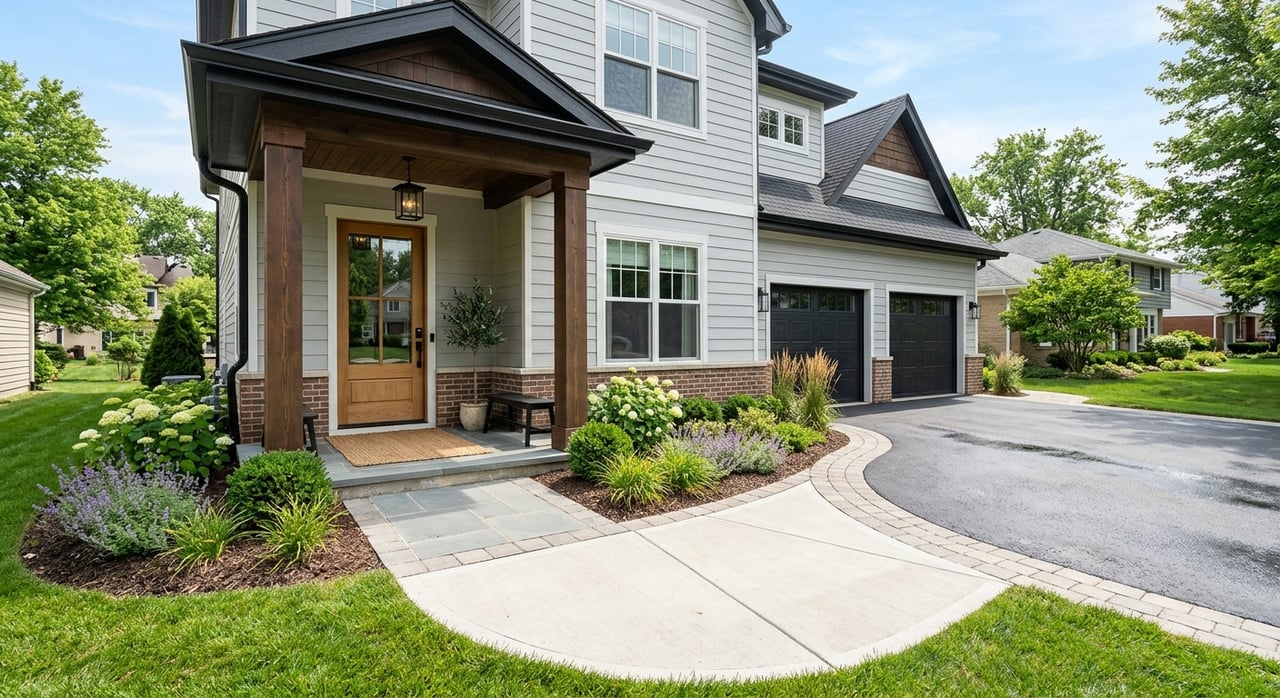
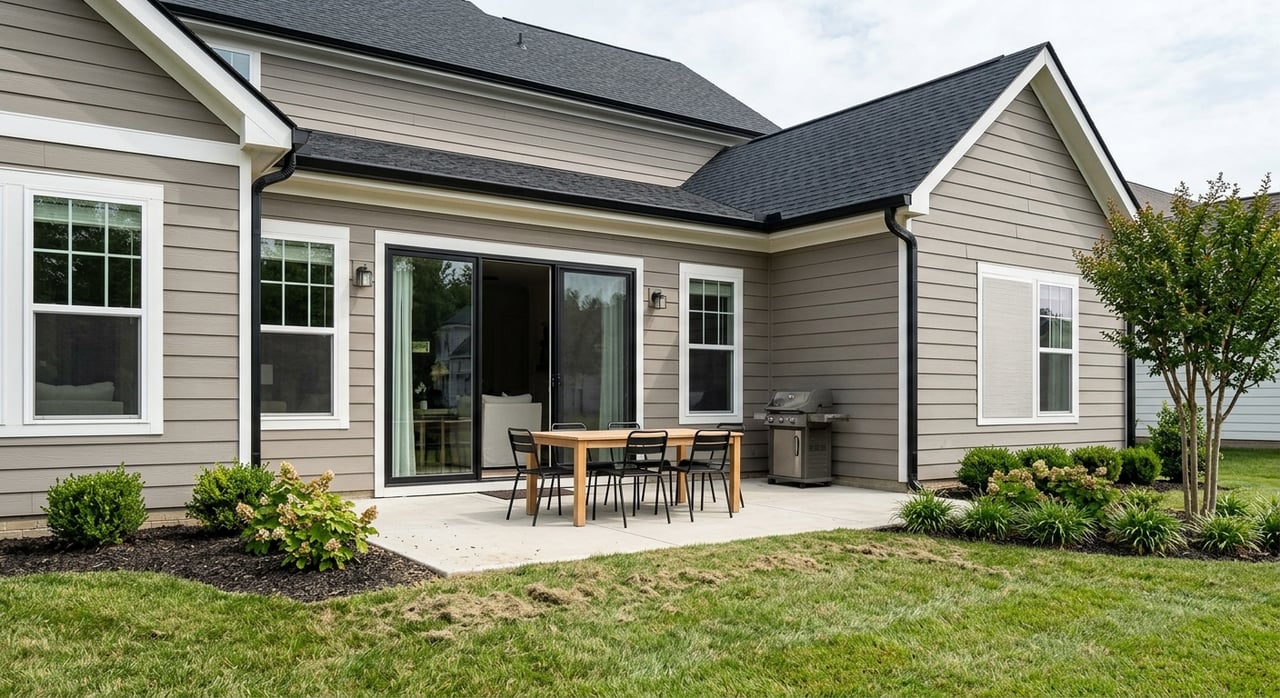
Concord appears to be a natural fit for suburban rental investing. Research points to detached single-family homes, townhomes, and some condos as the most logical buy-and-hold property types because the market is largely owner-occupied and includes a mix of houses and attached housing.
If you are starting out, a single-family home may be the easiest property type to understand and manage. A townhome or condo can also work, but those properties usually require closer review of monthly association dues and ownership rules.
Condos and HOA Costs
If you buy a condo or townhome, make sure you budget beyond the mortgage, taxes, and insurance. Condo and HOA dues can add a meaningful monthly cost, and they are part of the real rental expense picture.
That does not mean attached housing is a bad choice. It simply means you need to account for all recurring costs up front so your projected cash flow is based on reality, not just the purchase price and estimated rent.
Market-Rate and Assisted Demand
Concord’s rental market includes more than one demand segment. The City of Concord Housing Department manages 174 public housing units and administers more than 500 Housing Choice Vouchers, which shows that the local rental ecosystem includes both market-rate and assisted-housing demand.
For a new investor, the main takeaway is not that every property fits every renter. It is that Concord has a broad rental base, so your pricing, property condition, and management approach should match the specific part of the market you want to serve.
Vacancy and Lease-Up Expectations
A city-specific official rental vacancy rate was not identified in the sources reviewed. Because of that, current inventory and market pace are more useful as working signals than a single vacancy statistic.
Zillow Rental Manager labels Concord’s rental market as warm and reports 371 available rentals. Zillow also shows homes going pending in around 35 days, which supports the idea that a well-priced, well-presented rental may lease in weeks rather than months.
That said, you should treat lease-up timing as a market-based estimate, not a guarantee. Condition, price, location within Concord, and seasonality can all affect how long your property sits before a qualified tenant applies.
Why Pricing Discipline Matters
Compared with some nearby Charlotte-area suburbs, Concord’s apartment rents run below places like Huntersville, Cornelius, Davidson, and Pineville, and slightly below Kannapolis. That suggests Concord may appeal to renters looking for value, but it also means many tenants may be price-sensitive.
For you, this is where disciplined underwriting matters. If you buy at too high a basis or price the rent too aggressively, your vacancy risk can rise even in a generally healthy market.
Concord Rental Expenses to Budget For
Owning rental property comes down to more than collecting rent. Your monthly and annual expenses will shape whether a property truly performs the way you want it to.
IRS Publication 527 lists common rental expense categories such as advertising, cleaning and maintenance, commissions, depreciation, insurance, mortgage interest, legal and professional fees, management fees, repairs, taxes, and utilities. Even if some of these vary by property, they all belong in your planning.
Local Property Taxes
In Concord, property taxes are one of the most important local costs to understand. For 2025 to 2026, Cabarrus County’s tax rate is 0.576 per $100 of assessed value, and the City of Concord’s rate is 0.42 per $100.
Some properties may also fall within special tax districts, such as Downtown Concord at 0.16, or certain fire districts with rates that vary by location. City and county taxes are billed and collected by Cabarrus County, are due September 1, and become delinquent January 5.
Using Zillow’s average Concord home value of $382,592, the base county-plus-city tax works out to about $3,811 per year before any special district levy. That is a useful starting estimate, but your actual bill will depend on the property’s assessed value and district.
Other Carrying Costs
In addition to taxes, you should plan for:
- Insurance
- Mortgage interest
- Repairs and maintenance
- Turnover and make-ready costs
- Vacancy reserves
- Management fees if you hire a professional manager
- HOA or condo dues if the property is attached housing
- Utilities you may need to cover between tenants or under lease terms
A rental can look good on paper until these costs are added back in. A starter investor usually makes better decisions by using conservative numbers rather than stretching for the best-case scenario.
North Carolina Rules Landlords Should Know
Security Deposit Limits
North Carolina’s Tenant Security Deposit Act places limits on residential security deposits. The cap is two weeks’ rent for week-to-week tenancies, one and one-half months’ rent for month-to-month tenancies, and two months’ rent for leases longer than month to month.
The deposit must be held in a qualifying trust account or backed by a bond. When the tenancy ends, the landlord generally must send an itemized accounting and any remaining balance within 30 days, or provide an interim accounting within 30 days and a final accounting within 60 days if the claim cannot be finalized sooner.
The statute also allows a reasonable nonrefundable pet fee. If you plan to self-manage, these details are important because deposit handling is not just an admin task. It is a compliance issue.
Property Management Licensing
North Carolina law requires a real estate broker license to act as a broker, and brokerage includes leasing, offering to lease, and renting real estate for others. In practical terms, that means if someone is handling leasing or rent collection for an owner, they should be properly licensed and supervised.
If you want hands-on help, this is one reason many investors choose professional management. It can help you stay organized on leasing, rent handling, and documentation while you focus on the investment side of the property.
Code Enforcement in Concord
The City of Concord’s Code Enforcement Division inspects properties for minimum housing, zoning, and historic-preservation standards. It also investigates substandard housing, hazardous conditions, improper use, and nuisance complaints.
The city’s Development Ordinance also governs items such as density, setbacks, parking, landscaping, street layout, stormwater, and floodplain development. For you, the simple takeaway is this: deferred maintenance and unpermitted work can turn into code issues, not just repair items.
Questions to Ask Before You Buy
Before you close on a Concord rental, it helps to slow down and ask a few practical questions. Good investing usually starts with clear assumptions, not quick optimism.
Use this checklist as a starting point:
- Which tax district applies to the property?
- Is there any downtown or fire-district levy?
- What rent range is realistic based on similar Concord properties?
- What vacancy reserve should you build into your numbers?
- How much should you budget for make-ready work?
- Are HOA or condo dues part of the monthly carry?
- If you hire management, is the manager an active North Carolina broker or firm with property-management experience?
- How are rents and security deposits held, tracked, and documented?
A Smart First Step for Concord Investors
A starter rental in Concord can make sense if you approach it with realistic expectations. The market shows steady suburban demand, moderate rent levels, and enough activity to support a buy-and-hold strategy, but it is not a place where weak underwriting magically works.
If you stay focused on property type, local taxes, real operating costs, and North Carolina compliance rules, you can make more confident decisions from day one. And if you want support with acquisitions or ongoing management, working with a local team can make the process much more efficient.
When you are ready to explore your options, connect with Sean Rush Jr. for investor guidance and property management support in the greater Charlotte region.
FAQs
What is the average rent for rental property in Concord, NC?
- Concord rent figures vary by source and property type. Census QuickFacts lists median gross rent at $1,451, RentCafe reports average apartment rent at $1,520, and Zillow Rental Manager shows an all-property average rent of $1,995.
What type of rental property works best in Concord?
- For many buy-and-hold investors, detached single-family homes, townhomes, and some condos are the most natural fit because Concord is largely a suburban, owner-occupied market.
How fast do rentals lease in Concord, NC?
- An official city-specific vacancy rate was not identified in the reviewed sources, but Zillow labels Concord’s rental market as warm. A well-priced, well-presented rental may lease in weeks rather than months based on current market conditions.
What property taxes should Concord landlords expect?
- For 2025 to 2026, Cabarrus County’s rate is 0.576 per $100 of assessed value and the City of Concord’s rate is 0.42 per $100, with possible added special district levies depending on location.
What are the North Carolina security deposit rules for rental property?
- North Carolina caps residential deposits at two weeks’ rent for week-to-week leases, one and one-half months’ rent for month-to-month leases, and two months’ rent for longer leases, with specific rules for holding and returning deposits.
Should you hire a property manager for a Concord rental?
- If you want help with leasing, rent collection, maintenance coordination, and compliance, professional property management can be a practical option. North Carolina also requires licensed brokerage activity for leasing and renting real estate for others.